Kensington and Chelsea cleaning waste disposal rules: a practical guide for homes, landlords, and cleaners
If you have ever finished a deep clean in Kensington or Chelsea and then stared at a pile of bags, cloths, broken packaging, old bottles, and maybe a suspiciously heavy bucket, you will know the real job is not always the cleaning itself. It is the disposal. Kensington and Chelsea cleaning waste disposal rules matter because the wrong bin, the wrong timing, or the wrong handling can quickly turn a tidy job into a messy one. This guide breaks the process down in plain English, so you can stay compliant, keep shared spaces neat, and avoid those awkward moments when waste ends up where it should not.
Whether you are a homeowner, tenant, landlord, facilities manager, or professional cleaner, the basics are the same: sort the waste correctly, keep dirty water out of general waste streams, protect people and property, and respect building and local collection arrangements. Sounds simple. In practice, not always. Let's make it easier.
Why Kensington and Chelsea cleaning waste disposal rules matters
Waste from cleaning is not just "rubbish". It can include dirty water, chemical containers, vacuum dust, food residue, broken items, paper towels, sanitary waste, and sometimes construction debris if the clean follows decorating or refurbishment. In a dense borough like Kensington and Chelsea, where access, shared bins, and collection schedules can be tight, careless disposal creates problems fast.
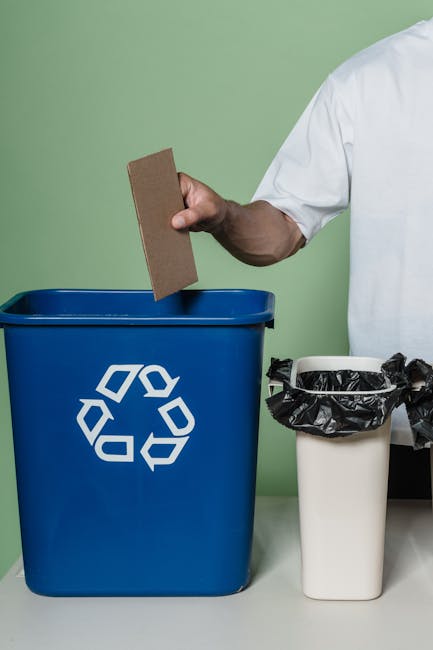
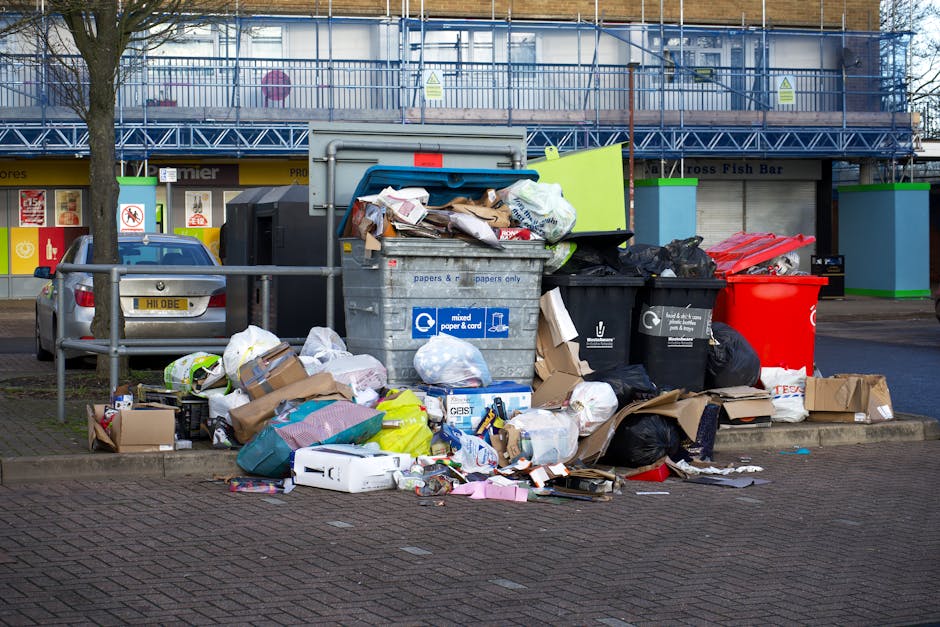
The main reason these rules matter is that waste streams are separated for a reason. General waste, recycling, and food waste are handled differently. Mixing them can make recycling impossible, create odours, attract pests, and lead to complaints from neighbours or building managers. If you are cleaning a flat in a converted townhouse or a managed office, one badly placed sack can be enough to upset an entire bin store. Not fun.
There is also a reputational side. For landlords, letting agents, Airbnb hosts, and commercial premises, waste handling says a lot about the standard of the work. A spotless property with a cluttered service area somehow feels unfinished. That little detail matters. Truth be told, people notice.
For professional cleaners, following local waste arrangements also supports health and safety. Wet cloths, sharp fragments, bleach bottles, and contaminated materials should be treated carefully. A good cleaning job includes removing waste without creating a slip, spill, or handling risk for anyone else.
And if you want a more sustainability-focused approach, it helps to read the site's own recycling and sustainability guidance. Waste separation and responsible disposal usually go hand in hand.
How Kensington and Chelsea cleaning waste disposal rules works
At a practical level, the system is about matching the waste to the correct disposal route. That usually means separating what can be recycled, what must go into general waste, and what needs special handling. The exact collection arrangement depends on the property type and the local service setup, but the day-to-day principles stay consistent.
Here is the broad logic most cleaners and property managers follow:
- Dry recyclables such as clean cardboard, paper, and some packaging should be kept separate if the local collection allows it.
- General waste includes non-recyclable cleaning debris, used paper towels, dust, and heavily soiled disposable items.
- Food waste should not be mixed with dry waste if a separate food waste collection exists.
- Liquids like dirty mop water or diluted cleaning solution should not be tipped into places that are not designed for them, such as communal bins or surface drains inappropriately.
- Hazardous or specialist waste may need separate treatment. That can include bleach-heavy products, sharps, broken glass, or waste contaminated beyond normal household disposal.
In many homes, the rule of thumb is straightforward: clean dry waste goes in the right bin, wet or contaminated material goes in sealed bags, and anything unusual gets checked before it is disposed of. For commercial or managed properties, the process often gets a little more formal because the cleaning team may need to follow building procedures, porter instructions, or scheduled collection windows. The rhythm matters. Miss the window and you end up storing waste longer than you wanted. Nobody enjoys that smell on a warm afternoon.
If your project involves heavier waste after a renovation or strip-out, you may be looking beyond routine cleaning and into something more like after builders cleaning or even house clearance. Those services usually involve more coordination around waste handling because plaster dust, rubble, broken fixtures, and packaging need different treatment from everyday cleaning debris.
Key benefits and practical advantages
When waste is handled properly, the benefits are bigger than most people expect. It is not just about being tidy. It affects safety, efficiency, and the final impression of the property.
Cleaner shared spaces. Bin rooms, hallways, service lifts, and front areas stay presentable. That matters in apartment blocks and mixed-use buildings where one person's mess becomes everyone else's problem.
Lower contamination risk. Recycling systems work better when food residue, liquids, and mixed rubbish are kept apart. Simple as that.
Fewer complaints. A managed waste routine reduces odours, pests, and disputes with neighbours or building managers. No one wants to be "that flat" in the building.
Better health and safety. Proper segregation reduces handling hazards and lowers the chance of cut injuries, leaks, or slips. It also helps cleaners move more confidently and quickly.
More professional presentation. For end-of-tenancy moves, office cleans, serviced apartments, or regular domestic cleaning, tidy waste handling is one of those quiet indicators that the work was done properly.
Less waste in the wrong place. That sounds obvious, but in real life it saves time. When bins are prepared correctly, collections are smoother and you do not end up remaking bags after a failed pickup or a confused sweep through the bin store.
For properties that see frequent traffic, such as rentals or offices, it can make sense to pair a waste routine with a scheduled clean. Services like regular cleaning and office cleaning often work best when waste handling is built into the visit rather than treated as an afterthought.
Who this is for and when it makes sense
These rules are relevant for a wider group than many people first assume. If you live or work in Kensington and Chelsea, waste disposal is part of the day-to-day cleaning process, even if you only notice it when something goes wrong.
- Homeowners who want to avoid bin overflow, smells, and unnecessary mess after DIY cleaning.
- Tenants who need to leave a property in good order at the end of a tenancy.
- Landlords and agents who want consistent standards across multiple units.
- Airbnb and short-let hosts who need fast turnover without leaving waste behind for the next guest.
- Office managers dealing with daily refuse, recycling, and cleaning waste in shared business premises.
- Facilities teams responsible for building procedures, bin access, and contractor oversight.
- Professional cleaners working in domestic, communal, or commercial settings.
It makes particular sense to think ahead when the job involves bulky packaging, lots of disposable materials, post-event debris, or intensive cleaning after a long vacancy. A one-off clean can create surprisingly large waste volume, especially if the property has not been touched for weeks. We have all seen that "just a few bits" turn into three black bags and a half-full recycling box somehow.
If the waste load is linked to a more involved clean, it may be useful to plan the clean itself around the disposal route. That is often true for deep cleaning, end of tenancy cleaning, or move out cleaning.
Step-by-step guidance
If you want a simple process, use this. It works well in most homes and small commercial spaces, and it is easy to adapt for bigger jobs.
- Sort the waste at source. Do not let rubbish build up in one mixed pile. Keep cardboard, soft plastics, general rubbish, and wet waste apart where possible.
- Separate anything contaminated. A clean pizza box is not the same as a greasy one. A dry cloth is not the same as a cloth soaked with dirty water and cleaning chemicals.
- Bag waste securely. Use strong liners, tie bags properly, and avoid overfilling. A split bag in a stairwell is everybody's problem for the next hour.
- Keep liquids contained. Mop water, rinse water, and leftover solution should be handled carefully. If you are unsure, keep it sealed and follow the property's procedure.
- Protect sharps and breakables. Wrap broken glass, dispose of razor blades safely, and never leave sharp items loose in general waste.
- Use the right collection point. In managed buildings, follow the bin store rules and the designated day or time for putting waste out.
- Check for restricted materials. If the waste includes something unusual, do not guess. Confirm the correct disposal route before placing it with normal refuse.
- Clean the area after disposal. Wipe handles, lids, and any spill marks so the waste trail ends where it should.
For normal domestic work, the process can often be done in a few calm minutes at the end of the clean. For bigger properties, it is better to include waste checks during the job, not after everything else is finished. That small adjustment saves headaches later, especially in shared buildings with strict access rules.
Expert tips for better results
A few practical habits make waste disposal easier straight away.
Label waste bags during larger jobs. It sounds fussy, but a simple "general", "recycling", or "not for bin" note can prevent confusion when several people are involved. Helpful in offices, large homes, and short-let turnovers.
Keep a spare bag line ready. When the first liner is full, you want to move smoothly to the next one. It keeps the work flowing and stops rubbish from being left in awkward piles.
Use the last 10 minutes for a waste sweep. That final pass catches dust cloths, stray packaging, wiped-up debris, and anything under the sofa or behind the loo that somehow always reappears.
Match the method to the property. In a small flat, waste may be handled in one short round. In a larger building, you may need a route plan for lifts, service areas, and bin stores. In a commercial setting, you may also need to protect customer-facing areas while removing rubbish quietly.
Plan for odour-sensitive waste. Food waste, pet waste, and heavily soiled materials should be sealed promptly. In warm weather, even a small delay can be noticeable.
Be careful with chemicals. Do not mix leftover products, and do not pour unknown solutions into general waste containers. If product labels are unclear, that is a sign to slow down rather than speed up.
If your cleaners are dealing with delicate materials or upholstery, waste handling also connects to the cleaning method itself. For example, upholstery cleaning, curtain cleaning, and steam carpet cleaning can all generate damp cloths, removed fibres, or disposable pads that need correct disposal afterwards.
Common mistakes to avoid
This is where things usually go wrong.
Mixing everything into one bag. It saves time in the moment, but it makes sorting harder later and can ruin recyclable material.
Leaving wet waste unsealed. Nobody wants leaking cloths or drips in a communal bin area. It is one of those small errors that creates a big impression.
Assuming a shared bin can take anything. Shared bins are often already tightly managed. If you dump extra waste without checking, you may breach building rules even if the waste itself is ordinary.
Overfilling bags. Split bags are awkward to carry and easy to rip. Keep them manageable.
Ignoring special disposal needs. Broken glass, bulbs, batteries, sharps, chemical-heavy waste, and unusual items should not be treated casually just because they came from a cleaning job.
Leaving it "for later". Waste left by the front door or in a hallway can look untidy, smell, and become a trip hazard. Later has a way of turning into tomorrow.
Forgetting the building rules. Some properties have specific times, access arrangements, or bin-store instructions. Ignoring them can cause issues even if you followed the general waste logic perfectly.
Tools, resources and recommendations
You do not need a complicated setup, just a sensible one.
| Tool or item | Why it helps | Best use |
|---|---|---|
| Strong refuse bags | Reduces tears, leaks, and spills | General cleaning waste, cloths, and disposable items |
| Colour-coded liners | Makes sorting faster | Homes, offices, and multi-room cleans |
| Small covered caddy | Contains odours and liquid waste | Bathrooms, kitchens, and pet-related waste |
| Gloves and tongs | Helps with sharp or unpleasant items | Broken glass, debris, and contaminated waste |
| Microfibre cloth system | Reduces disposable waste overall | Regular cleaning and routine maintenance |
| Spill cloth or absorbent pad | Safer for small leaks | Post-clean tidy-up and accidental drips |
One good habit is to keep a dedicated waste station during the job, even if it is only a corner of the utility room or a folded tray in the kitchen. It keeps things contained and stops waste from travelling around the property. A tiny thing, yes. But tiny things add up in cleaning.
For teams and homeowners who want cleaner, lighter routines overall, choosing services and methods that reduce waste at source can help. That may mean domestic cleaning on a schedule instead of heavy catch-up cleans, or using one off cleaning strategically when the mess is genuinely beyond routine upkeep.
Law, compliance, standards, and best practice
Without getting overly legal about it, the key point is this: waste should be handled responsibly, safely, and in line with the relevant property arrangements and general UK waste practice. That usually means keeping waste from being deposited in the wrong place, ensuring hazardous or unusual materials are not mixed into ordinary rubbish, and following any site-specific or local collection instructions.
In a professional setting, the expectations are higher. Employers and contractors should have clear procedures for segregation, safe handling, spill control, and disposal. Health and safety duties also matter, because wet floors, heavy bags, and sharp objects create obvious risks. If you are hiring cleaners, it is sensible to check that they operate with appropriate safety awareness. The site's health and safety policy and insurance and safety information are useful examples of the kind of standards a careful provider should have in place.
For rental properties, end-of-tenancy jobs, and guest turnover work, it also helps to be clear about responsibility. Who removes what? Where is waste stored before collection? What happens if the bin store is full? Those questions are not glamorous, but they prevent disputes later. The same applies to the small print, which is why it is worth reviewing terms and conditions before booking a service.
And just to be clear, if a waste stream looks abnormal, do not improvise. That is where most avoidable mistakes happen. The clean can wait a few minutes; a contamination issue can last a lot longer.
Options, methods, and comparison table
Different properties need different waste approaches. Here is a simple comparison that may help you decide what fits best.
| Method | Best for | Pros | Watch out for |
|---|---|---|---|
| Routine bin sorting | Homes, flats, and light cleaning | Simple, quick, low cost | Easy to mix streams if no system is in place |
| Bag-and-carry disposal | Small domestic cleans | Flexible and convenient | Bag strength and access routes matter |
| Managed building disposal | Blocks, offices, and serviced properties | Orderly and predictable | Must follow access and bin-store rules |
| Specialist clearance support | Bulky, mixed, or higher-volume waste | Safer for complex waste loads | Needs planning and clear scope |
In practice, most people use a mix of these methods. A small flat may need only routine bin sorting. A move-out clean may need bag-and-carry disposal plus a check of the building's waste room. A large refurb clean may need clearance-style support as well. The trick is to match the method to the actual mess, not the hoped-for mess.
That is especially true for property types with more fabric and fittings to deal with, such as house cleaning, communal area cleaning, or commercial cleaning, where waste from several rooms or users can build up quickly.
Case study or real-world example
Picture a rented flat near a busy Kensington street on a Friday afternoon. The tenant has moved out, the agency wants the keys back, and the cleaners arrive to deal with crumbs in the kitchen, bathroom residue, dusty skirting boards, and a surprising amount of packaging from last-minute maintenance work. Nothing dramatic. Just the kind of normal job that quietly gets complicated.
At first glance, everything seems fine. But then the team spots mixed waste: a bit of cardboard, used wipes, a cracked storage box, cleaning cloths, and a small amount of liquid left in a spray bottle. Instead of tossing it all into one bag, they split it into separate streams, seal the damp material, wrap the broken item securely, and place the dry cardboard in the appropriate recycling route. The bin area stays clean. The hallway stays clean. No smell, no leak, no complaints from the concierge. Small win, but a real one.
That is usually how it goes when the process is handled properly. Nothing flashy, just a clean finish and fewer problems later. And honestly, that is what good cleaning should feel like: calm, tidy, and done without drama.
Practical checklist
Use this checklist before you leave a property or finish a job.
- Have all waste streams been separated correctly?
- Are any bags overfilled or at risk of splitting?
- Have wet materials been sealed?
- Have sharp or breakable items been wrapped safely?
- Have chemicals or unknown liquids been handled cautiously?
- Has the correct bin, store, or collection point been used?
- Have any building-specific rules been followed?
- Has the disposal area been wiped down?
- Have all rooms, corners, and under-furniture areas been checked for stray waste?
- Is there anything unusual that needs a second look before disposal?
If you can tick all of those off, you are in very good shape. Not perfect-world shape, maybe. But very good.
Conclusion
Kensington and Chelsea cleaning waste disposal rules are really about common sense done properly: separate waste, keep it secure, respect the property's collection setup, and avoid shortcuts that create mess or risk. When you get that right, cleaning feels more professional, properties stay calmer, and everyone involved has a much easier day. The system does not need to be complicated. It just needs to be consistent.
Whether you are managing a family home, preparing a rental, cleaning an office, or dealing with a post-build reset, waste disposal is part of the job, not an extra. Keep it tidy, keep it safe, and keep it moving. That one habit can make the whole process smoother.
Get a free quote today and see how much you can save.
For a provider overview and company background, you can also review the about us page before deciding how you want the work handled.
Frequently Asked Questions
What are Kensington and Chelsea cleaning waste disposal rules in simple terms?
They are the practical rules for separating, bagging, storing, and disposing of waste created during cleaning so it goes into the correct bin or collection route.
Can I put cleaning wipes and paper towels in recycling?
Usually not if they are dirty or contaminated. Most used cleaning wipes and paper towels belong in general waste unless your property has a specific system that says otherwise.
What should I do with dirty mop water?
Handle it carefully and avoid pouring it somewhere unsuitable. If you are unsure, follow the property's waste instructions or use the correct disposal point provided for liquids.
Do tenants or cleaners have to follow building bin rules?
Yes, if the building has them. In managed properties, bin store timing, access, and sorting rules can be just as important as the waste type itself.
How do I dispose of waste after an end-of-tenancy clean?
Sort it first, seal wet or contaminated material, keep recyclables separate where possible, and use the property's designated bins or collection process. If the load is larger than usual, plan ahead.
What counts as special waste during cleaning?
Items like broken glass, razor blades, leftover chemicals, batteries, and heavily contaminated materials may need extra care and should not be treated like ordinary rubbish.
Is there a difference between domestic and commercial waste handling?
Yes. Commercial spaces often have more formal procedures, clearer segregation rules, and stricter building or porter instructions than a typical home.
What is the biggest mistake people make with cleaning waste?
Mixing everything into one bag. It seems quicker, but it causes contamination, leaks, and avoidable sorting problems later.
How can I reduce waste during regular cleaning?
Use reusable cloths where possible, keep a simple sorting system, avoid overusing disposables, and clean as you go rather than letting waste pile up.
Do I need a specialist service for bulky waste from a clean?
If the waste is bulky, mixed, or more than normal household rubbish, a specialist approach may be the safest and easiest option. House clearance-style support can be useful in those cases.
How does waste disposal affect the final result of a clean?
A lot more than people expect. Clean rooms can still feel unfinished if waste is left behind, bins are messy, or the disposal area smells. The finish matters.
Where can I find more information about the company's service standards?
Start with the site's health and safety policy, recycling and sustainability page, and terms and conditions. Those pages help set expectations clearly.