 Carpet Cleaning
 Upholstery Cleaning
 End Of Tenancy Cleaning
 Domestic Cleaning
 House Cleaning
 Office Cleaning


Common cleaning mistakes tenants make in Kensington rental flats
Posted on 05/06/2026
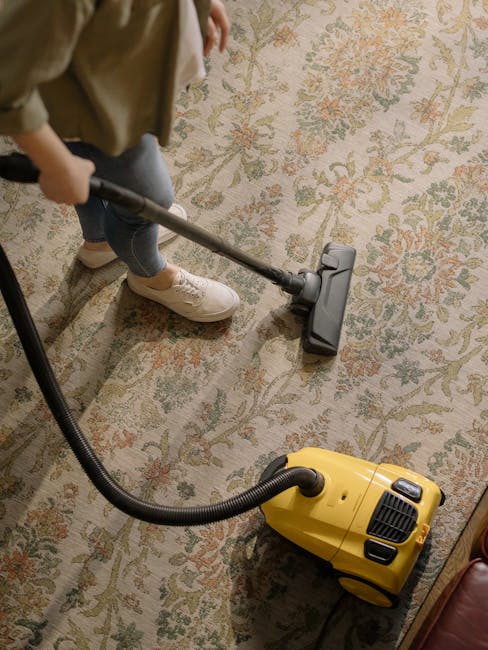
If you rent in Kensington, you already know the drill: the flat can look immaculate at a glance, but the real issues hide in the corners, behind appliances, and under the sofa. The most common cleaning mistakes tenants make in Kensington rental flats are usually not dramatic. They are small oversights that snowball into deposit deductions, awkward check-out conversations, and that sinking feeling when a landlord or letting agent spots what you missed. This guide breaks down those mistakes clearly, explains why they happen, and shows you how to clean smarter without wasting an entire weekend.
Truth be told, a lot of tenancy cleaning problems come down to timing, surface-level effort, and misunderstanding what "clean" actually means at move-out. Kensington properties can be characterful, older, and a bit unforgiving, especially where polished finishes, light carpets, and period details are involved. So let's get practical.
Why Common cleaning mistakes tenants make in Kensington rental flats Matters
Cleaning at the end of a tenancy is not just about making the flat look nice for the next person. It is about meeting the condition expected under your tenancy agreement and giving yourself the best chance of receiving your full deposit back. In a place like Kensington, where rentals can be premium, compact, and detail-heavy, the bar is often higher than tenants expect.
The most frustrating part? Many issues are preventable. Skipped limescale on taps, greasy extractor fans, dusty skirting boards, and marks on walls can be easy to overlook when you are rushing to pack boxes and arrange removals. But they are exactly the sort of things that catch the eye during check-out inspections.
And then there is the practical side. Even if you are staying only six months, poor cleaning habits can mean you leave the flat with lingering odours, stubborn stains, or damaged surfaces that need professional attention later. That is expensive for you, annoying for the landlord, and, frankly, avoidable.
If you want a fuller sense of how cleaning expectations fit into local property standards, our related reading on Kensington real estate tips and real estate in Kensington investment tactics gives useful context on how presentation affects property value and tenant impressions.
How Common cleaning mistakes tenants make in Kensington rental flats Works
Most cleaning mistakes happen because people clean in the wrong order, use the wrong product, or stop once the visible areas look decent. The problem is that rental inspections do not only judge what you can see from the doorway. They often involve a close look at kitchens, bathrooms, floors, ventilation points, and soft furnishings.
A good move-out clean usually follows a simple principle: clean from the top down, dry before you polish, and tackle hidden areas before you run out of energy. Start with dust, then surfaces, then fixtures, then floors. If you do it the other way round, you will end up re-cleaning the same areas. Bit of a pain, to be fair.
In Kensington flats, this matters even more because older windows, ornate trims, and fitted storage can collect dust in places you rarely notice day to day. Small rooms also make dirt feel more obvious. A kettle ring, a greasy hob, or a dusty blind can stand out in seconds.
When tenants rush, they also tend to rely too heavily on scent. A room that smells fresh is not necessarily clean. That lemon spray can fool no one if the oven rack is still sticky. The lesson is simple: freshness should follow cleaning, not replace it.
Key Benefits and Practical Advantages
Avoiding these cleaning mistakes does more than help with deposits. It saves time, reduces stress, and makes the handover feel smoother. And if you are preparing a flat for an inventory check, there is real value in making the property look cared for rather than merely "tidied".
- Better deposit protection: fewer disputes over dirt, stains, or missed areas.
- Less stress at check-out: no panicked last-minute scrubbing while you are waiting for the keys to be handed over.
- Cleaner move for the next tenant: which is just decent practice, really.
- Reduced risk of damage: using the right method prevents scratching, streaking, and fabric wear.
- More efficient use of time: you clean once, properly, instead of looping back repeatedly.
There is also a comfort factor. Walking away from a flat you have left in good condition feels better. It closes the chapter cleanly. That matters more than people admit.
If you are weighing up whether to handle the clean yourself or get support, the service overview at services overview is a useful starting point, and the company's reviews page can help you judge whether professional support is worth considering for your situation.
Who This Is For and When It Makes Sense
This guidance is for tenants in Kensington who want a realistic, no-nonsense approach to move-out cleaning. It is especially useful if you are:
- ending a tenancy and want to minimise deductions
- moving out of a furnished flat with upholstery, rugs, or delicate finishes
- living in a period property with tricky corners, vents, or detailed fixtures
- short on time and trying to prioritise what actually matters
- unsure how deep the cleaning needs to go before checkout
It also makes sense if you are moving out on a tight schedule. Maybe the removal van arrives at 8 a.m., the elevator is slow, and you are already on your third coffee. In that kind of morning, a clear cleaning plan is gold.
Tenants in shared flats often benefit too, because shared kitchens and bathrooms are where small cleaning errors become obvious very quickly. One person assumes the other cleaned the fridge. The fridge is, predictably, not clean. We have all seen that story unfold.
Step-by-Step Guidance
If you want to avoid the most common errors, use a methodical approach rather than doing a bit of everything at random. Here is a practical sequence that works well in most Kensington rental flats.
- Declutter first. Remove all belongings, bags, bins, cables, and forgotten drawer contents before you start proper cleaning.
- Open windows where possible. Fresh air helps while cleaning bathrooms, kitchens, and anything with lingering smells.
- Dust top to bottom. Start with shelves, light fittings, picture rails, and the tops of wardrobes before moving down to tables and skirting.
- Clean the kitchen thoroughly. Focus on oven interiors, hob surfaces, splashbacks, extractor fans, cupboard fronts, fridge seals, and sink drains.
- Deep-clean the bathroom. Remove limescale, soap build-up, hair, mould spots, and watermarks on glass and tiles.
- Work on soft furnishings and floors. Vacuum carpets, edge-clean along skirting, and spot-treat marks on upholstery if needed.
- Finish with touch points. Handles, switches, banisters, door edges, and window frames matter more than many tenants think.
- Inspect in daylight. Morning or late afternoon light shows streaks, smears, and dust better than a dark hallway ever will.
A very practical tip: photograph each room after you finish. Not for show, not for drama. Just for your own record. If a question comes up later, you will be glad you did.
For tenants who want a more targeted understanding of surfaces and fibres, the article on West Kensington carpet cleaning for W14 flats offers useful detail, and the piece on upholstery cleaning and stain removal is especially helpful if sofas or dining chairs are part of the inventory.
Expert Tips for Better Results
Here is where a few small decisions make a big difference. Most tenants do not need exotic products or specialist kit. They need consistency, patience, and a little judgement.
Use the right cleaner for the right surface
A glossy kitchen cupboard, a natural stone top, and a painted skirting board should not be treated the same way. If you use a harsh product on a delicate finish, you can cause damage that is worse than the dirt you were trying to remove.
Let products sit, but not too long
Grease and bathroom scale often need dwell time. Spray, wait a few minutes, then wipe. Scrubbing too early wastes effort. Leaving products on too long can also create residue. There is a sweet spot.
Check hidden zones
Under the bed. Behind the washing machine. Inside the cutlery drawer. Under the sink. These areas are frequently missed because they are awkward, not because they are unimportant.
Don't clean only what looks dirty
Inspection standards often pick up on general care, not just obvious stains. That means even lightly dusty blinds or dull taps can count against you if the rest of the flat is spotless.
Save stubborn jobs for last, but do not leave them out
Ovens, limescale, grout, and carpet spots may need extra time. If you leave them to the end and run out of energy, the whole clean can look half-finished.
A slightly nerdy but useful habit: keep one cloth for bathrooms, one for kitchens, one for dusting, and one for mirrors. Mixing them up is how streaks and smells migrate around the flat. Not ideal.
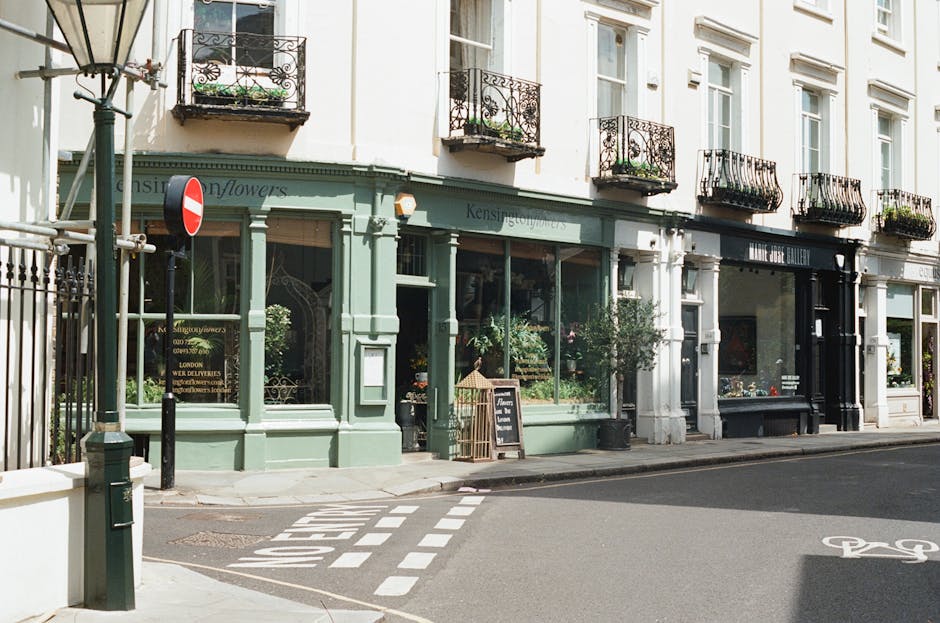
Common Mistakes to Avoid
Now to the real issue. These are the most common cleaning mistakes tenants make in Kensington rental flats, and they are the ones most likely to cause trouble at check-out.
1. Cleaning too late
Leaving the whole job for move-out day is a classic mistake. By then, you are tired, distracted, and likely surrounded by boxes. A better approach is to clean in stages over the final week.
2. Ignoring the kitchen extraction area
Extractor fans, filters, and the space above the hob collect grease quickly. Tenants often wipe the visible hob and stop there. Landlords and agents notice the rest.
3. Forgetting fridge and freezer seals
Food residue, mould, and crumbs around seals are easy to miss. They also smell worse than they look.
4. Using too much water on carpets
Over-wetting can leave odours, patches, or slow drying times. If you spot-clean carpets, use minimal moisture and blot rather than soak.
5. Leaving limescale on taps and shower screens
London water can leave stubborn deposits, and bathrooms show them fast. A quick wipe is rarely enough.
6. Not checking behind furniture
Dust, coin-sized rubbish, and marks on walls behind sofas or beds are common surprises. It takes five minutes to move furniture and can save you a headache.
7. Relying on air freshener instead of real cleaning
We mentioned this earlier, but it deserves repeating. Smell is not proof of cleanliness. It just isn't.
8. Forgetting inside cupboards and drawers
It sounds obvious, but people miss it all the time. Especially the top shelf of a wardrobe and that one cutlery drawer full of crumbs and mystery fluff.
9. Overlooking windowsills and tracks
Dust, dead insects, and dark grime in the tracks can stand out during an inspection, especially in older Kensington flats with sash windows or deeper frames.

10. Cleaning without checking the inventory list
If the flat came with specific items, they are usually part of the final inspection. Knowing what was originally included helps you avoid missed areas and unnecessary arguments.
Quick reality check: most disputes are not caused by one major disaster. They are caused by ten small things left half-done. That is why a proper checklist beats random cleaning every single time.
Tools, Resources and Recommendations
You do not need a van full of equipment, but a modest, sensible kit makes the job much easier.
- Microfibre cloths: good for dusting, polishing, and reducing streaks
- Vacuum with attachments: useful for skirting, corners, upholstery, and edges
- Non-abrasive sponge: helps with general surfaces without scratching
- Bathroom descaler: handy for taps, shower glass, and tile edges
- Degreasing cleaner: useful for hobs, extractor areas, and kitchen splash zones
- Bucket and mop: for hard floors, but avoid soaking wooden finishes
- Rubber gloves: simple, but they make longer sessions much easier
If the job feels bigger than expected, it is perfectly reasonable to compare self-cleaning with a professional option. A lot depends on how much furniture the flat has, whether carpets need special treatment, and how strict the check-out standards are likely to be. For broader support, you can read about end of tenancy cleaning in West Kensington or explore domestic cleaning in West Kensington and house cleaning in West Kensington if you need help beyond a one-off move-out clean.
If upholstery is part of your problem, the dedicated upholstery cleaning service is the most relevant place to start. And for tenants who want to understand broader cleaning options in the area, the services overview page is useful without being overwhelming.
Law, Compliance, Standards, or Best Practice
Tenant cleaning is not usually about chasing a legal loophole. It is mostly about meeting the condition set out in your tenancy and leaving the property in a reasonable state of cleanliness and care. The exact expectations vary by agreement, inventory, and property condition, so caution matters here.
Best practice in the UK rental market is straightforward: return the flat in the same general state of cleanliness it was in at the start, allowing for fair wear and tear. That phrase matters. Normal wear is not the same as neglect. A little fading on a carpet is not the same as a visible stain, and a small scuff on a wall is not the same as greasy hand marks all over a hallway.
If you are unsure, review your tenancy agreement and inventory photos carefully. Those documents are usually more useful than memory. If something was already marked or worn when you moved in, it should not be treated as your cleaning responsibility later. Fair point, really.
It is also wise to keep cleaning products safe and use them as directed. Mix the wrong chemicals and you can create fumes or damage surfaces. That's not just a cleaning issue; it becomes a safety issue fast. For more on how the business handles safe working practices, you can read the company's health and safety policy and insurance and safety information.
Finally, if you ever do need to raise a concern about a service experience, the site's complaints procedure and terms and conditions are there to clarify expectations. That sort of transparency matters.
Options, Methods, or Comparison Table
There are usually three ways tenants handle move-out cleaning: do it all yourself, split the work with flatmates, or book professional help for the heavy jobs. The right choice depends on your time, the property condition, and how much risk you want to carry.
| Method | Best for | Strengths | Weak points |
|---|---|---|---|
| DIY cleaning | Small flats, low mess, plenty of time | Cheapest option, total control | Easy to miss hidden areas, physically tiring |
| Shared cleaning with flatmates | HMOs or shared rentals | Faster, splits the workload | Quality can vary, accountability can get messy |
| Professional end-of-tenancy cleaning | Busy moves, larger flats, carpets or upholstery, higher deposit risk | More thorough, less stress, better consistency | Costs more upfront |
In practice, a hybrid approach often works best. You handle packing, sorting, and the visible cleaning; professionals take care of carpets, upholstery, ovens, or other heavy-duty jobs. It is not glamorous, but it is efficient.
If you are comparing service-level options, the company's pricing and quotes page is helpful for understanding how estimates are typically handled, and the promotions page may be worth checking if timing is flexible.
Case Study or Real-World Example
Here is a very typical Kensington scenario. A tenant in a one-bedroom flat near the High Street leaves cleaning until the final evening. They wipe the kitchen counters, vacuum quickly, and spray freshener in the living room. The flat looks decent at first glance. But the inspection reveals grease on the extractor hood, limescale in the bathroom, crumbs in drawers, and a dusty blind in the bedroom. None of it is dramatic. All of it adds up.
What went wrong? Mainly, the cleaning focused on visible surfaces and skipped the small but important details. There was also no room to correct mistakes because the move-out timetable was tight. The tenant was not lazy. Just rushed. That happens more than people admit.
Now compare that with a better approach: the tenant starts three days earlier, cleans one room at a time, photographs the results, and books help for the carpet and sofa. The flat is still not perfect in some human, lived-in way - no rental flat ever is - but it is clearly well maintained. That difference can be enough to avoid a dispute.
If you want a more local angle on what tenants and residents notice in the area, the article Kensington: a resident's opinion is a useful read. For broader neighbourhood context, find your bliss in the tranquil streets of Kensington London gives a sense of the area's character, which also shapes property expectations.
And if you are moving between nearby locations, related posts like South Kensington end of tenancy cleaning for landlords and Earl Court emergency flood cleaning show how quickly property condition can become a priority when time is tight or problems appear suddenly.
Practical Checklist
Use this checklist before handover. It is simple on purpose.
- All personal belongings removed
- Bins emptied and liners taken out
- Kitchen cupboards cleaned inside and out
- Fridge, freezer, and seals wiped down
- Oven, hob, and extractor cleaned properly
- Bathroom limescale removed
- Shower screens, tiles, and taps polished
- Skirting boards dusted
- Windowsills, tracks, and frames checked
- Floors vacuumed and mopped where suitable
- Upholstery spot-cleaned or professionally treated if needed
- Marks on walls reviewed carefully
- Behind furniture checked
- Light switches, handles, and door edges wiped
- Final inspection done in daylight
Expert summary: the fastest route to a better check-out is not cleaning harder. It is cleaning more deliberately. Focus on hidden dirt, high-touch points, and the rooms that naturally collect grease or moisture. That is where most disputes start.
Conclusion
The common cleaning mistakes tenants make in Kensington rental flats are rarely mysterious. They are usually the result of rushing, guessing, or assuming that a quick tidy-up counts as a proper move-out clean. Once you know where the weak spots are, though, the whole process becomes much easier to manage.
Start early. Follow a room-by-room plan. Pay attention to kitchens, bathrooms, carpets, and those easily forgotten corners that somehow matter more than they should. If the flat has a lot of fabric, heavy use, or stubborn build-up, do not be afraid to bring in help for the difficult bits. That is not overdoing it. That is being sensible.
And honestly, that sensible approach is what most tenants need. A calm check-out. A clean handover. One less thing hanging over your move.
Get a free quote today and see how much you can save.


